Intermediate Emergency First Aid Responder

R2 550,00

The purpose of the skills programme is to build the capacity of a person to act as an Intermediate Emergency First Aid Responder.

Contact Learning
4 Days
NQF level 3 / 5 Credit
QCTO

Year-round enrolments
Contact Delivery

Type: Year-round enrolment

R2,550.00

Price excluded a non-refundable admin fee of R400. A membership fee of R300 can be added to your payment,

Register now

Knowledge Modules
• Presented in class
(contact learning full time or part time on campus)
• Self-paced online (online learning platform)

Application Skills Modules
• Presented on campus
(contact learning full time or part time on campus)
• Presented on campus (in workshop format, twice per semester in
block format, on Saturday mornings)

  • Skills Certificate: Basic Emergency First Aid, NQF Level 2
  • Recognition of Prior Learning (RPL)
    Note: You can apply for special admission but need to meet specific requirements that will be discussed on a case-bycase
    basis with the academic department. Admission is subject to specific conditions being met.
  • Health and Safety Officer: Health and safety officers are responsible for ensuring that workplaces comply with health and safety regulations. They may also provide first aid training and services to employees.
  • Security Officer: Security officers are responsible for maintaining safety and security in a variety of settings. They may be required to provide first aid services in emergency situations.
  • Lifeguard: Lifeguards are responsible for ensuring the safety of swimmers and other individuals in aquatic environments. They may also provide first aid services in emergency situations.
  • Firefighter: Firefighters respond to emergency situations, including fires, accidents and other disasters. They are trained to provide first aid and emergency medical services.
  • Sports Coach: Sports coaches are responsible for the physical training and development of athletes. They may also be required to provide first aid services in case of injuries.
  • Overall, a person with an intermediate level first aid certificate has a wide range of occupational opportunities in various industries. They can work in both the private and public sectors, and their skills and knowledge are highly valued in emergency response and safety-related fields.

The purpose of the skills programme is to build the capacity of a person to act as an Intermediate Emergency First Aid Responder.

Intermediate Emergency First Aid Responders treat and support severe injuries and medical conditions in the event of an emergency. The responder will be able to stabilise the person’s
condition and prevent further harm until more advanced medical treatment can be provided.

An Intermediate Emergency First Aid Responder will be able to manage the incident scene, coordinate with other responders and emergency services, and provide support to the casualties and their families.

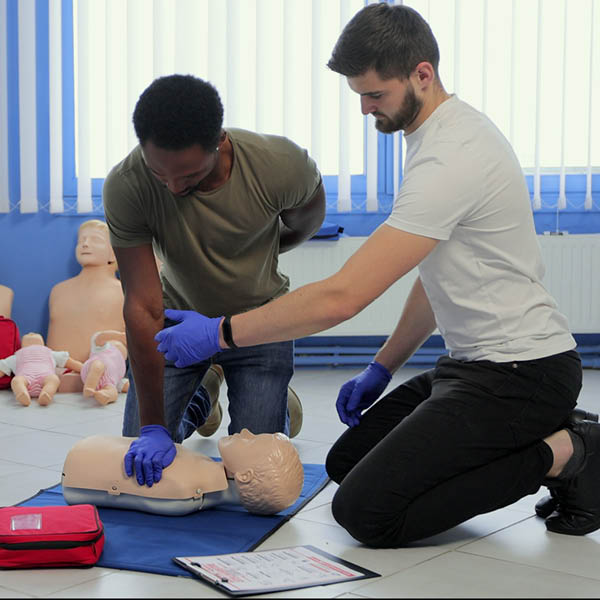
  • Classes on Saturday’s with a Practical Component.

Accreditations

Delivery Method

Duration

NQF level

Knowledge Modules
• Presented in class
(contact learning full time or part time on campus)
• Self-paced online (online learning platform)

Application Skills Modules
• Presented on campus
(contact learning full time or part time on campus)
• Presented on campus (in workshop format, twice per semester in
block format, on Saturday mornings)

  • Skills Certificate: Basic Emergency First Aid, NQF Level 2
  • Recognition of Prior Learning (RPL)
    Note: You can apply for special admission but need to meet specific requirements that will be discussed on a case-bycase
    basis with the academic department. Admission is subject to specific conditions being met.
  • Health and Safety Officer: Health and safety officers are responsible for ensuring that workplaces comply with health and safety regulations. They may also provide first aid training and services to employees.
  • Security Officer: Security officers are responsible for maintaining safety and security in a variety of settings. They may be required to provide first aid services in emergency situations.
  • Lifeguard: Lifeguards are responsible for ensuring the safety of swimmers and other individuals in aquatic environments. They may also provide first aid services in emergency situations.
  • Firefighter: Firefighters respond to emergency situations, including fires, accidents and other disasters. They are trained to provide first aid and emergency medical services.
  • Sports Coach: Sports coaches are responsible for the physical training and development of athletes. They may also be required to provide first aid services in case of injuries.
  • Overall, a person with an intermediate level first aid certificate has a wide range of occupational opportunities in various industries. They can work in both the private and public sectors, and their skills and knowledge are highly valued in emergency response and safety-related fields.

The purpose of the skills programme is to build the capacity of a person to act as an Intermediate Emergency First Aid Responder.

Intermediate Emergency First Aid Responders treat and support severe injuries and medical conditions in the event of an emergency. The responder will be able to stabilise the person’s
condition and prevent further harm until more advanced medical treatment can be provided.

An Intermediate Emergency First Aid Responder will be able to manage the incident scene, coordinate with other responders and emergency services, and provide support to the casualties and their families.

  • Classes on Saturday's with a Practical Component.
Accreditations

Delivery Method

Duration

NQF level