Pilates Instructor

R7 350,00

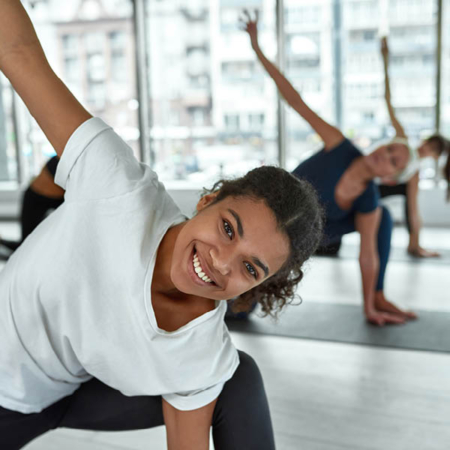
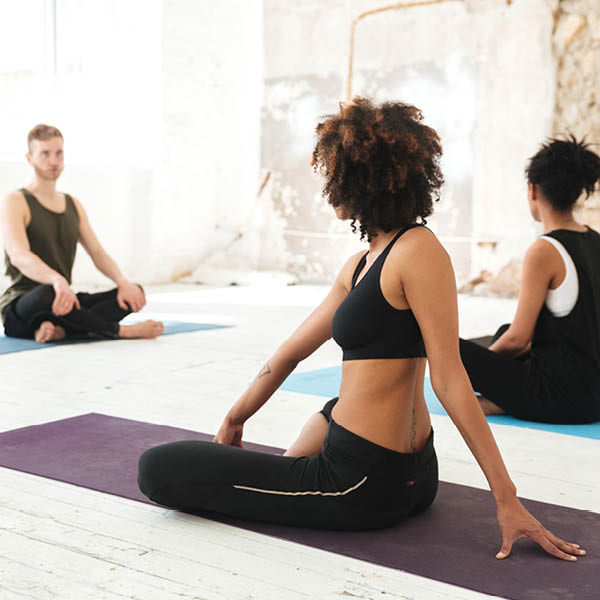
This is a Pilates Mat training programme that provides a solid foundation in the principles of Pilates, including; alignment, breathing and core contraction. You will progress from a beginner level focusing on core strengthening exercises and postural awareness to an intermediate level that introduces more complex movements.

Contact Learning
3 Months
20 CPD Points
REPSSA

Dec 14, 2025 to Aug 29, 2026
Contact Delivery

Type: Year-round endorsements

Campus: Sunninghill, Stellenbosch, Gqeberha

R7,350.00

Price excluded a non-refundable admin fee of R400. A membership fee of R300 can be added to your payment,

Register now

Year-round enrolments
Contact Delivery

Type: Dec 14, 2025 to Aug 29, 2026

R7,350.00

Price excluded a non-refundable admin fee of R400. A membership fee of R300 can be added to your payment,

Register now

Anatomy and Physiology:

  • Chapter 1: Homeostasis
  • Chapter 2: Anatomical Terms
  • Chapter 3: Organ Systems
  • Chapter 4: Skeletal System
  • Chapter 5: The Muscular System
  • Chapter 6: The Cardiovascular & Circulatory System
  • Chapter 7: The Respiratory System
  • Chapter 8: The Nervous System
  • Chapter 9: The Endocrine System
  • Chapter 10: Energy Systems
  • Chapter 11: Adaptations To Physiological Systems With Exercise
  • Chapter 12: Principles Of Exercise, Fitness & Health
  • Chapter 13: Principles Of Training
  • Chapter 14: Cardiovascular Fitness
  • Chapter 15: Muscular Strength & Endurance
  • Chapter 16: Warm-Up & Stretching
  • Chapter 17: Motor Fitness
  • Chapter 18: Safety 112
  • Chapter 19: Communication
  • Chapter 20: Customer Service
  • Chapter 21: Introduction To Nutrition
  • Chapter 22: Role Players In The Fitness Industry

Pilates Theory:

  • Chapter 1: Introduction
  • Chapter 2: Primary Principles Of Pilates (Abcs)
  • Chapter 3: Secondary Principles Of Pilates
  • Chapter 4: Anatomical Terms
  • Chapter 5: The Skeletal System
  • Chapter 6: The Muscular System
  • Chapter 7: Posture
  • Chapter 8: Teaching Pilates
  • Chapter 9: Application Of Pilates Abcs
  • Chapter 10: Pilates Programme Design
  • Chapter 11: Pilates Equipment

Pilates Practical:

  • Roll Down
  • Pelvic Lift/ Bridge
  • Chest LiftAlternate Leg Lift Supine
  • Double Leg Lift Side
  • Leg Pull Side (bottom leg meets top leg) Spine Twist Supine
  • Chest Lift with Rotation
  • Back Extension Prone
  • Single Leg Circle
  • Half Roll Back
  • Roll Up
  • Hundreds Prep
  • Hundreds
  • Single-Leg Stretch (number 1 of big 5) Hamstring Pull (number 3 of big 5) Double
  • Leg Stretch (number 2 of big 5) Crisscross (number 5 of big 5)
  • Spine Stretch Forward
  • Rolling like a Ball
  • Seal
  • Open Leg Rocker Prep
  • Open Leg Rocker
  • Shoulder Bridge
  • Leg Pull Front
  • Side Kick
  • Side Kick Kneeling
  • Spine Twist
  • Saw
  • Corkscrew Prep
  • Cat Stretch
  • Swimming
  • Swan Prep
  • Plank/ Front Support Basic
  • Hovering All Fours
  • Superman
  • Rest Position

If you do not hold a fitness qualification you will be required to complete:

  • A Basic introduction into anatomy and physiology (self- study module.)

This is a Pilates Mat training programme that provides a solid foundation in the principles of Pilates, including; alignment, breathing and core contraction. You will progress from a beginner level focusing on core strengthening exercises and postural awareness to an intermediate level that introduces more complex movements.

A Pilates Mat instructor helps in achieving a client’s optimum physical health through a series of movements that are designed to improve posture through breathing, flexibility as well as strength. It is ideal for anyone looking to secure a basic-level teaching credential and for existing fitness professionals looking to up their versatility and marketability as trainers. With this qualification, you have the opportunity to do what you love while having flexible working hours and running your own business! With this course you will be able to teach beginner to intermediate Pilates classes in a mainstream gym or studio environment.

This course Includes:

Contact course with online assignment submission
Learner guide
Hard copy manuals – Anatomy and Physiology, Pilates Mat Theory, Pilates Mat Practical
Additional online resources videos
Online Tutor support
This course is completed via contact workshops and submitting all assignments using the HFPA Online Learning Platform.

Accreditations

Delivery Method

Duration

NQF level

Anatomy and Physiology:

  • Chapter 1: Homeostasis
  • Chapter 2: Anatomical Terms
  • Chapter 3: Organ Systems
  • Chapter 4: Skeletal System
  • Chapter 5: The Muscular System
  • Chapter 6: The Cardiovascular & Circulatory System
  • Chapter 7: The Respiratory System
  • Chapter 8: The Nervous System
  • Chapter 9: The Endocrine System
  • Chapter 10: Energy Systems
  • Chapter 11: Adaptations To Physiological Systems With Exercise
  • Chapter 12: Principles Of Exercise, Fitness & Health
  • Chapter 13: Principles Of Training
  • Chapter 14: Cardiovascular Fitness
  • Chapter 15: Muscular Strength & Endurance
  • Chapter 16: Warm-Up & Stretching
  • Chapter 17: Motor Fitness
  • Chapter 18: Safety 112
  • Chapter 19: Communication
  • Chapter 20: Customer Service
  • Chapter 21: Introduction To Nutrition
  • Chapter 22: Role Players In The Fitness Industry

Pilates Theory:

  • Chapter 1: Introduction
  • Chapter 2: Primary Principles Of Pilates (Abcs)
  • Chapter 3: Secondary Principles Of Pilates
  • Chapter 4: Anatomical Terms
  • Chapter 5: The Skeletal System
  • Chapter 6: The Muscular System
  • Chapter 7: Posture
  • Chapter 8: Teaching Pilates
  • Chapter 9: Application Of Pilates Abcs
  • Chapter 10: Pilates Programme Design
  • Chapter 11: Pilates Equipment

Pilates Practical:

  • Roll Down
  • Pelvic Lift/ Bridge
  • Chest LiftAlternate Leg Lift Supine
  • Double Leg Lift Side
  • Leg Pull Side (bottom leg meets top leg) Spine Twist Supine
  • Chest Lift with Rotation
  • Back Extension Prone
  • Single Leg Circle
  • Half Roll Back
  • Roll Up
  • Hundreds Prep
  • Hundreds
  • Single-Leg Stretch (number 1 of big 5) Hamstring Pull (number 3 of big 5) Double
  • Leg Stretch (number 2 of big 5) Crisscross (number 5 of big 5)
  • Spine Stretch Forward
  • Rolling like a Ball
  • Seal
  • Open Leg Rocker Prep
  • Open Leg Rocker
  • Shoulder Bridge
  • Leg Pull Front
  • Side Kick
  • Side Kick Kneeling
  • Spine Twist
  • Saw
  • Corkscrew Prep
  • Cat Stretch
  • Swimming
  • Swan Prep
  • Plank/ Front Support Basic
  • Hovering All Fours
  • Superman
  • Rest Position

If you do not hold a fitness qualification you will be required to complete:

  • A Basic introduction into anatomy and physiology (self- study module.)

This is a Pilates Mat training programme that provides a solid foundation in the principles of Pilates, including; alignment, breathing and core contraction. You will progress from a beginner level focusing on core strengthening exercises and postural awareness to an intermediate level that introduces more complex movements.

A Pilates Mat instructor helps in achieving a client’s optimum physical health through a series of movements that are designed to improve posture through breathing, flexibility as well as strength. It is ideal for anyone looking to secure a basic-level teaching credential and for existing fitness professionals looking to up their versatility and marketability as trainers. With this qualification, you have the opportunity to do what you love while having flexible working hours and running your own business! With this course you will be able to teach beginner to intermediate Pilates classes in a mainstream gym or studio environment.

This course Includes:

Contact course with online assignment submission
Learner guide
Hard copy manuals – Anatomy and Physiology, Pilates Mat Theory, Pilates Mat Practical
Additional online resources videos
Online Tutor support
This course is completed via contact workshops and submitting all assignments using the HFPA Online Learning Platform.

Accreditations

Delivery Method

Duration

NQF level